English At Croxby
Intent
At Croxby Primary School, we believe that our English curriculum should inspire a lifelong love of reading and writing. Our aim is that by the end of Year 6, children will transition to secondary school as confident communicators with a deep understanding of the English language – both written and spoken – and the ability to write with purpose and meaning for a range of audiences.
Our curriculum provides rich opportunities for pupils to read widely and write for different purposes across all subject areas. We use high-quality texts to model excellent writing and teach grammar, punctuation, and spelling systematically to ensure technical accuracy. Writing is developed through a range of strategies, supported by imaginative and meaningful speaking and listening activities that build vocabulary and creativity.
We prioritise reading for pleasure and comprehension, exposing pupils to diverse genres, authors, and styles to broaden their cultural understanding and critical thinking. Through this, we aim to develop empathy, curiosity, and a strong sense of voice.
Inclusivity is at the heart of our approach: we provide targeted support for all learners, including those with SEND and EAL, ensuring every child can access and succeed in English. We also value oracy as a foundation for learning, encouraging discussion, debate, and presentation skills to build confidence and articulate expression.
By integrating digital tools and fostering a love of language, we prepare pupils not only for academic success but also for effective communication in an ever-changing world.
Success at Croxby is measured not only through attainment but through pupils’ engagement, confidence, and enthusiasm for English. Our inclusive approach ensures that every child, regardless of starting point, develops strong foundations in reading, writing, and spoken language. Pupils leave Croxby equipped with the skills and knowledge to communicate effectively and make valuable contributions in the next stage of their education.
Implementation
EYFS English
In the Early Years at Croxby, we build strong foundations in communication, language, and literacy through a carefully planned curriculum that follows the CUSP Early Foundations approach. Our provision is structured around three core pillars:
-
Foundational Knowledge
Children are introduced to key concepts in language and literacy through explicit teaching and rich discussion. This includes developing vocabulary, understanding story structure, and building early comprehension skills.
-
Structured Storytime
Daily story sessions use high-quality literature to immerse children in language. These sessions include opportunities for oral rehearsal, drama, and oracy, enabling children to participate actively in storytelling and develop confidence in speaking and listening. Thinking tasks are used to provoke discussion and encourage children to reflect on what they have heard.
-
Opportunities and Experiences
Carefully planned activities allow children to interact with stories and language in meaningful ways. This includes guided writing opportunities, role play, and creative tasks that connect literacy with wider learning.
Alongside these pillars, children take part in twice-daily phonics lessons using Bug Club Phonics to secure early reading skills. Phonics teaching is systematic and matched to each child’s stage of development. Handwriting is introduced through fine motor activities and letter formation practice to prepare children for writing.
Our approach ensures that children leave EYFS with strong foundations in oral language, phonics, and early writing, ready to transition confidently into Year 1.
(1) Overview of Bug Club Phonics for parents and carers - YouTube
Reading
At Croxby, we love reading! Speak to our children, and you will hear why reading matters. To celebrate its importance, our school house teams are named after authors, reflecting our commitment to a culture of reading. The first thing you see when entering our school is our vibrant library filled with a wide range of books to spark curiosity and imagination - from timeless classics to exciting new releases.
The love of reading begins in EYFS with inspiring story times using a diverse range of high-quality texts to build knowledge and language. This is coupled with twice-daily discrete phonics lessons using Bug Club Phonics. In the first few weeks, children immerse themselves in picture books to develop speaking, listening, and attention skills. Once they secure the first set of sounds, they are assigned decodable books matched to their phonics acquisition.
In Year 1, children continue with Bug Club Phonics texts aligned to their phonics ability. Reading lessons extend phonics learning and provide a stimulus for writing. Teachers model fluent, expressive reading, and children rehearse sounds and keywords daily to develop fluency. Parents are supported through guidance on using Bug Club at home.
From Year 2 onwards, reading is taught through the CUSP Reading curriculum, which is built on three core pillars:
-
Explicit vocabulary instruction – Teaching new words and exploring meaning deeply.
-
Prosodic reading – Explicit teaching of fluency, expression, and phrasing.
-
Thinking hard – Encouraging pupils to engage critically with texts and respond thoughtfully.
CUSP Reading is a balanced, ambitious curriculum based on high-quality literature. Pupils read whole texts regularly and supplementary texts for breadth and depth. Each day focuses on a different reading competency, and questions are designed to make pupils think deeply about what they have read. Fluency is taught explicitly every week using prosodic strategies to ensure pupils become confident, expressive readers.
Lessons follow six phases:
Connect – Activate prior knowledge and link learning.
Explain – Explicit teaching of key vocabulary and concepts.
Example – Teacher modelling of reading strategies.
Attempt – Guided practice with scaffolding.
Apply – Independent practice for fluency and comprehension.
Challenge – Deepen understanding through critical thinking.
Digital Reading Support
To complement classroom teaching, pupils in KS2 use Reading Plus once a week during skills lessons and at home. This adaptive program helps develop fluency, comprehension, vocabulary, stamina, and motivation, providing personalised pathways that respond to each child’s needs.
Children also complete weekly independent reading response activities and read across the curriculum to build knowledge in foundation subjects, enriching cultural capital and vocabulary. Every day ends with story time to nurture a love of reading.
Our book selections are carefully chosen to create a language-rich environment that develops oracy and cultural awareness. Adaptations and targeted interventions ensure all learners, including those with SEND and EAL, can access and enjoy reading. Regular assessment informs teaching and ensures progress for every child.
To further promote a love of reading, we provide a vibrant library at the heart of our school, which families can visit and borrow books from. We welcome authors—both in person and virtually—to inspire pupils and deepen their engagement with literature. Pupils also take part in local and national reading competitions, often achieving success, which reinforces our strong reading culture and sense of pride.
Writing
Our writing journey begins in EYFS through immersion in stories to develop communication and language skills. Handwriting is taught systematically to encourage accuracy in letter formation and prepare children to become confident writers. These early experiences establish strong foundations in transcription and composition, enabling pupils to progress confidently. Oral rehearsal is integral at this stage: children rehearse ideas aloud during story sessions, building confidence in language and sentence structure before committing words to paper.
In Year 1, children start the year using a reading book matched to their current phonic ability as a stimulus for writing. They orally rehearse sentences daily, ensuring accurate sentence structure and applying their phonics knowledge for encoding. Vocabulary and discussion skills are explored through story immersion sessions, creating a language-rich environment that nurtures imagination and creativity. During the autumn term, pupils transition to the CUSP Writing curriculum, joining their cohort-specific sequence to build secure knowledge and skills.
From Year 2 onwards, writing is taught through the CUSP Writing curriculum, which is built on a reduce and revisit model. This means pupils study fewer text types but revisit them for mastery. Each unit is organised into two parts:
-
Block A – Pupils learn key concepts and grammar through short teaching sequences.
-
Block B – Pupils revisit these concepts and apply them in extended writing outcomes.
Lessons follow six phases:
-
Connect – Activate prior knowledge and link learning.
-
Explain – Explicit teaching of key vocabulary and concepts.
-
Example – Teacher modelling using high-quality texts.
-
Attempt – Guided practice with scaffolding.
-
Apply – Independent practice for fluency and accuracy.
-
Challenge – Deepen understanding through critical thinking.
Each block includes flexible time for reteaching, extended writing, and editing to ensure mastery. Pupils use Knowledge Organisers and Ingredients for Success Checklists to guide their writing and self-assess against clear expectations. Teachers use exemplification samples to support assessment and moderation.
Systematic teaching of spelling, grammar, and handwriting ensures pupils develop technical accuracy. Oral rehearsal remains a key strategy throughout KS2, enabling pupils to experiment with language and structure before writing independently. Pupils learn to write for a range of purposes and audiences and are taught to edit and refine their work to improve clarity and precision.
Inclusivity is central to our approach: scaffolds and targeted support enable all learners, including those with SEND and EAL, to succeed. We enrich writing experiences through author visits, writing competitions (including National Storytelling Week), and opportunities to publish and celebrate pupils’ work, fostering pride and motivation.
Impact
EYFS
By the end of EYFS, children:
-
Have developed strong communication and language skills through daily structured storytime and rich vocabulary experiences.
-
Can apply phonics knowledge to read simple words and sentences, securing the foundations for fluent reading.
-
Form letters accurately and write simple words and phrases, supported by oral rehearsal and fine motor development.
-
Show confidence and enthusiasm for stories, reading, and early writing.
-
Are ready to transition into Year 1 and access the CUSP Reading and Writing curriculum with secure foundations in literacy.
Reading
-
Pupils read fluently and widely, with a thirst for a range of genres and text types, including poetry.
-
They demonstrate strong comprehension skills, using strategies such as inference, retrieval, and summarising with increasing independence.
-
Children express preferences and opinions about texts and articulate these confidently, reflecting a genuine love of reading.
-
Enrichment opportunities—such as our vibrant library, author visits, and reading competitions—foster motivation and cultural capital.
-
Assessment ensures progress:
-
Bug Club phonics assessments.
-
Year 1 phonics screening (with mock assessments).
-
Termly NFER reading papers in Years 3–5.
-
Past papers and SATs preparation in Year 6.
-
Ongoing formative feedback during lessons.
Writing
-
Pupils write with purpose and meaning for a range of audiences and genres.
-
They demonstrate technical accuracy in spelling, grammar, and punctuation, supported by systematic teaching and practice.
-
Oral rehearsal enables pupils to develop sentence fluency and confidence before writing, reducing cognitive load and improving quality.
-
Children edit and refine their work independently, showing pride in presentation and clarity.
-
Assessment ensures progress:
-
Termly teacher assessment using a broad range of written work and agreed statements.
-
Writing assessments are moderated every term within year groups and across the trust to ensure consistency, accuracy, and high expectations for all pupils.
-
Formative feedback in every lesson.
-
Enrichment opportunities - such as writing competitions (including National Storytelling Week) and having pupils’ work published - build confidence, celebrate achievement, and provide authentic audiences for writing.
By the end of Year 6, pupils transition to secondary school as confident, articulate communicators who enjoy reading and writing and have the secure foundations needed for success in Key Stage 3 and beyond.
What is my child learning?
Reading
At Croxby, we follow the CUSP Reading curriculum, which is carefully sequenced to help children become fluent, confident readers who love books.
-
EYFS and Year 1
Children enjoy daily story times with high-quality texts and learn phonics through Bug Club Phonics. They begin reading books matched to their phonics knowledge and practise fluency and expression. Year 1 will move over to CUSP when deemed appropriate in the Autumn term.
-
Year 2 onwards
Children take part in whole-class reading lessons using CUSP Reading. They explore a wide range of texts, including stories, non-fiction, and poetry, and learn key skills such as vocabulary development, inference, retrieval, and summarising.
-
Every day
Story time ends the day in every class, and children read across the curriculum to build knowledge in other subjects.
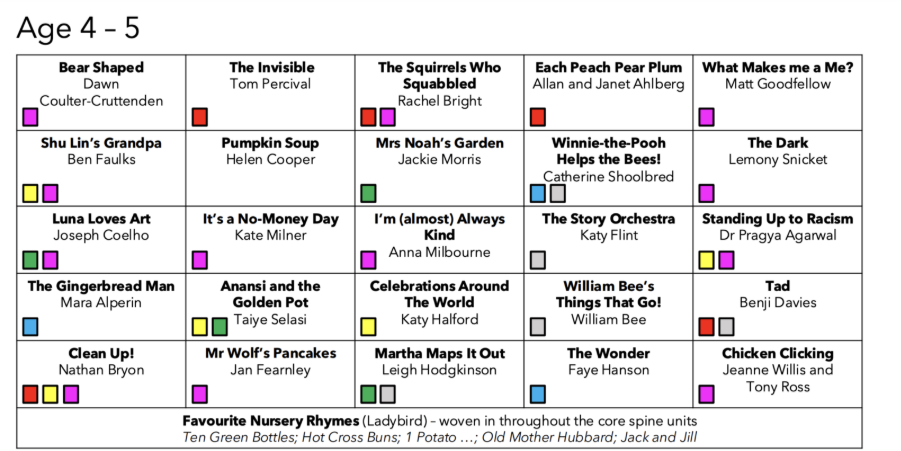
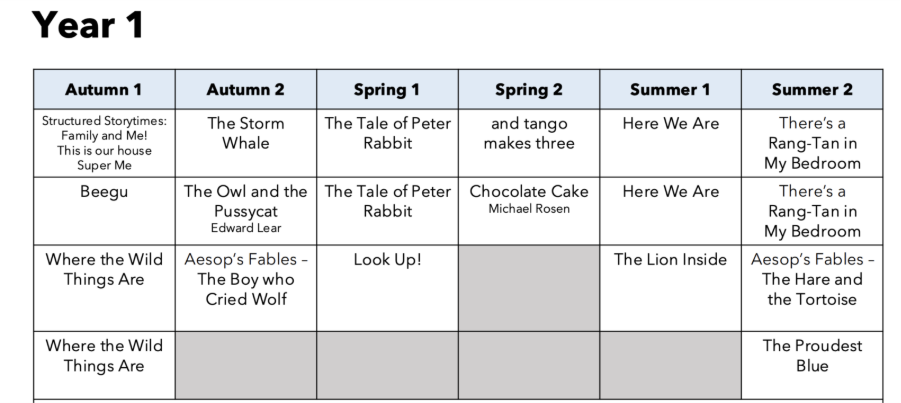
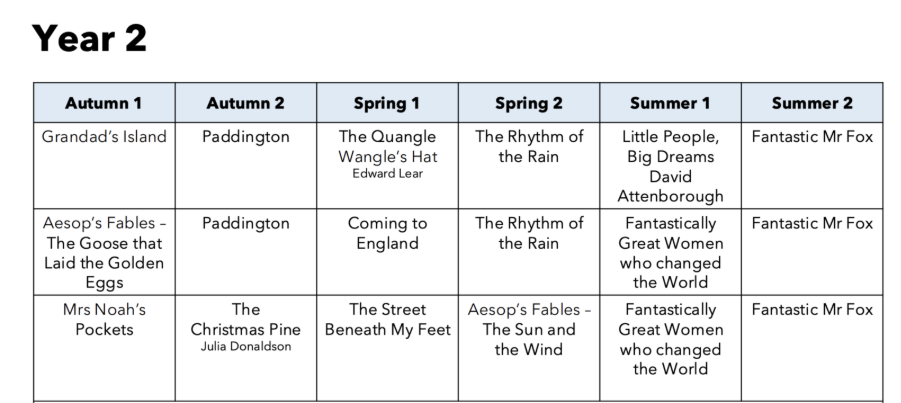
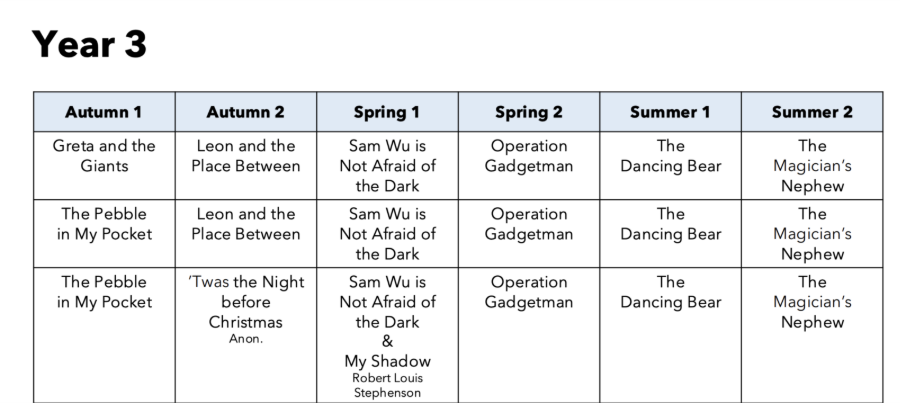
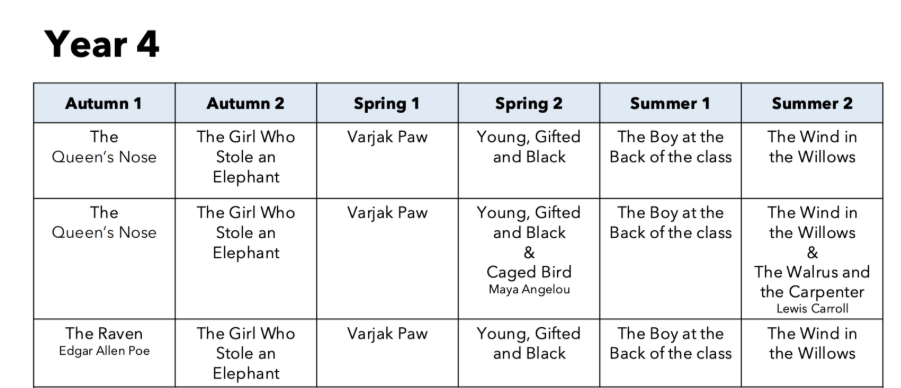
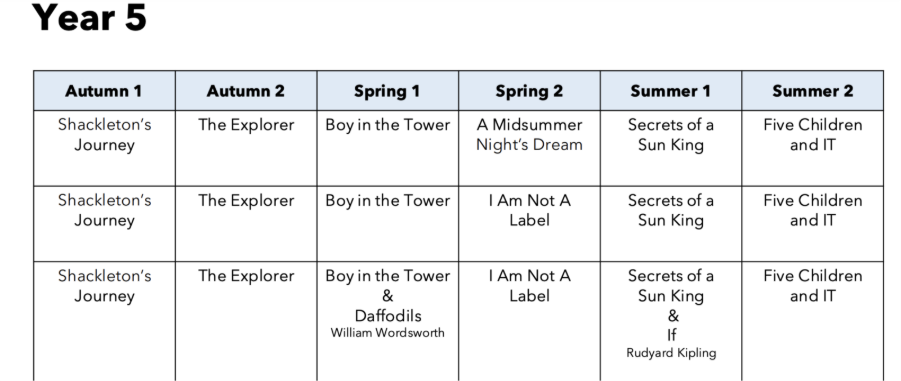
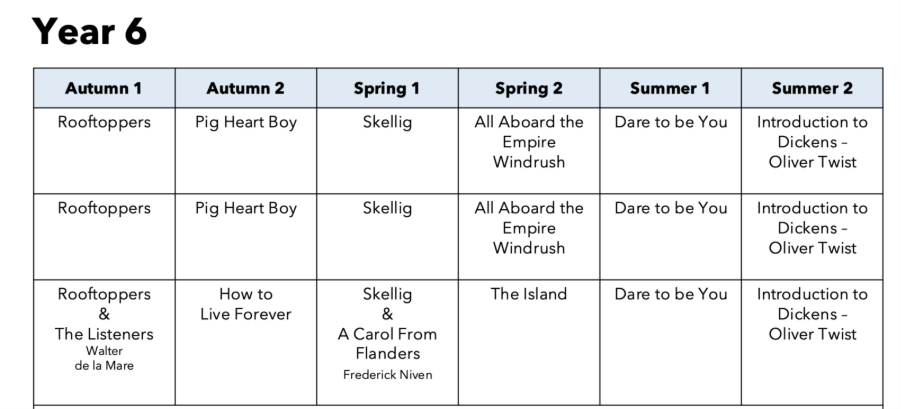
Below you can see the CUSP Reading overview for each year group, showing the texts your child will study throughout the year.
Writing
At Croxby, we follow the CUSP Writing curriculum, which is carefully sequenced to help children become confident, creative writers with strong technical skills.
-
EYFS
Children begin their writing journey through storytelling, oral rehearsal, and handwriting practice. They learn to form letters accurately and build the foundations for writing sentences.
-
Year 1
Writing starts with simple sentences linked to their reading books. Children rehearse sentences orally, apply their phonics knowledge for spelling, and develop vocabulary through daily story sessions. During the autumn term, they transition to the CUSP Writing curriculum.
-
Year 2 onwards
Children follow CUSP Writing units, which teach grammar, punctuation, and spelling alongside creative writing. They learn to write for different purposes and audiences, edit and improve their work, and revisit genres to strengthen independence.
-
Every term
Pupils take part in engaging writing projects and enrichment opportunities, including competitions such as National Storytelling Week and chances to have their work published.
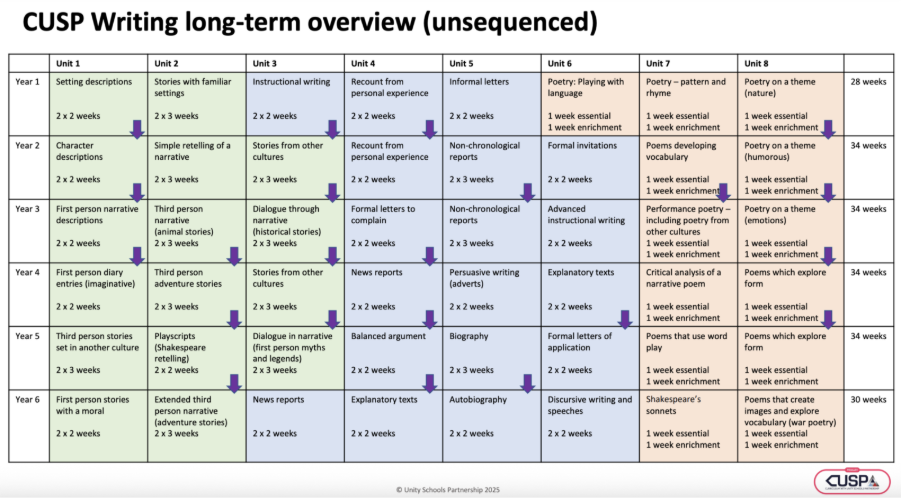
Below you can see the CUSP Writing overview for each year group, showing the genres your child will study throughout the year.
Progression Booklets
Curriculum Progression Strand – Fiction
Curriculum Progression Strand – Non-Fiction
Digital Tools to Support Learning
At Croxby, we believe that technology can enhance learning and provide children with engaging, personalised opportunities to practise key skills. To support our English curriculum, we use two high-quality digital platforms:
Spelling Shed
Spelling Shed helps pupils develop accurate spelling through fun, interactive games and activities. It is designed to reinforce classroom learning and build confidence in spelling patterns, phonics, and word lists. Children can access Spelling Shed at home and in school, making practice enjoyable and effective.
Reading Plus
Reading Plus is an adaptive online program that supports pupils in Key Stage 2 (and Year 2 from the Summer Term) to improve reading fluency, comprehension, and vocabulary. It provides personalised pathways that respond to each child’s needs, helping them build stamina and motivation for independent reading. Pupils use Reading Plus during weekly skills lessons and at home to strengthen their reading skills.
Click the links below to access these programs and continue your child’s learning journey beyond the classroom: